Quick Answer:
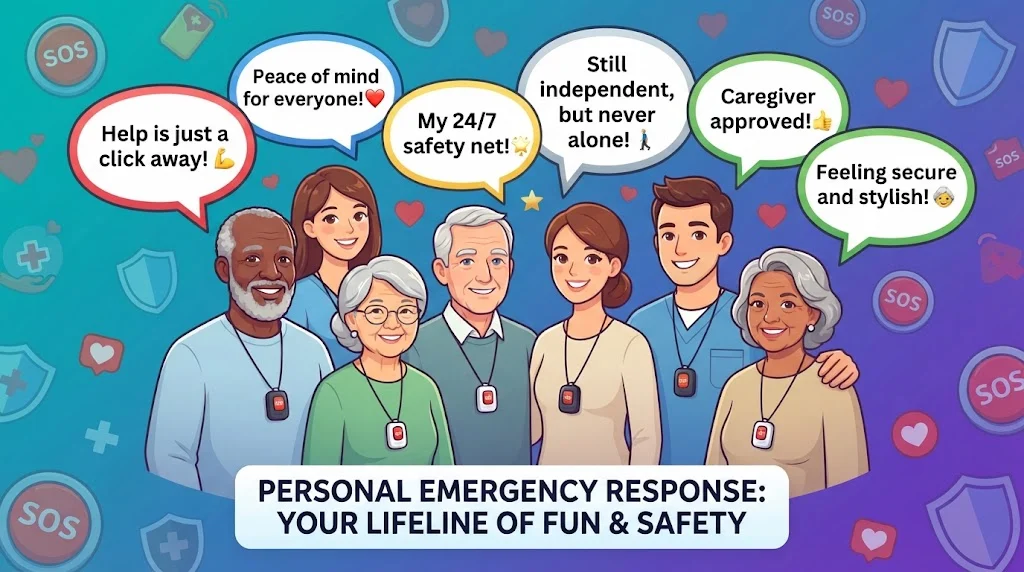
A personal emergency response system is a device that lets you call for help during a medical or personal emergency. It usually includes a wearable button and a base unit. When you press the button, it connects you to a monitoring center or emergency contacts.
A slip in the shower. A sudden dizzy spell. A fall in the middle of the night when no one is around. For millions of people, these moments are a real fear. Living alone or managing a chronic condition means help might not be within shouting distance.
That is where a personal emergency response system comes in. It gives you a direct line to assistance with a single press of a button. You do not need to find your phone or remember a number. You just press, and someone responds.
This guide explains what these systems are, how they work, and what to look for. Whether you are shopping for yourself or a loved one, the right information makes the decision easier.
What Is a personal-emergency-response-system?
A personal emergency response system, often called a PERS, is a small electronic device designed to summon help in an emergency. It typically consists of two parts: a wearable transmitter and a base unit connected to your phone line or cellular network.
The wearable piece is usually a pendant, a wristband, or a belt clip. It has a button you press when you need help. The base unit sits in a central location in your home. It has a speaker and microphone so you can talk to a responder.
When you press the button, the system sends a signal to a monitoring center. A trained operator speaks through the base unit and asks what you need. If you cannot respond, they dispatch emergency services or call your emergency contacts.
Some systems also offer fall detection. These models use sensors to detect a sudden fall and automatically trigger a call for help, even if you cannot press the button yourself.
How a Personal Emergency Response System Works
The basic workflow is simple. You press the button. The device sends a signal. A responder answers. Help is on the way.
Here is what happens step by step:
- The wearable transmitter sends a wireless signal to the base unit.
- The base unit connects to a monitoring center through a phone line, cellular network, or internet connection.
- A trained operator receives your alert and speaks through the base unit’s speaker.
- The operator assesses the situation and decides what help to send.
- If needed, the operator calls emergency services or your family contacts.
- The operator stays on the line until help arrives or the situation is resolved.
Some systems use a two-way voice channel built into the wearable itself. That means you can talk directly from the pendant without being near the base unit. This is useful in larger homes or when you are outside in the yard.
Other systems send alerts to a smartphone app instead of a monitoring center. These are often called mobile PERS or mPERS. They use cellular networks and GPS to track your location. They work anywhere with cell coverage, not just at home.
Types of Personal Emergency Response Systems
Not all systems are the same. The right type depends on your lifestyle, your health needs, and where you spend your time.
In-home systems. These are the traditional models. They work through a landline or a cellular connection in your home. The base unit stays in one place. The wearable button works within a certain range, usually a few hundred feet. They are reliable and often less expensive.
Mobile systems. These use cellular networks and GPS. They work anywhere you go, not just at home and They are larger and may need charging more often. They are ideal for people who are active or who spend time away from home.
Fall detection systems. These include sensors that detect a fall. If you fall and cannot press the button, the system calls for help automatically. They reduce the risk of lying on the floor for hours. They are not perfect and may trigger false alerts, but they add a layer of safety.
Smartwatch-based systems. Some smartwatches offer emergency calling features. They may not have a dedicated monitoring center, but they can call 911 or a preset contact. They are a good option for tech-savvy users who want a less obtrusive device.
Hybrid systems. These combine in-home and mobile features. You have a base unit at home and a mobile device for when you go out. They offer the best coverage but usually cost more.
Key Features to Look For
When you compare systems, focus on the features that matter for your situation. Not every feature is worth the extra cost.
Range. How far does the wearable work from the base unit? If you have a large home or a big yard, you need a longer range. Check the specs before you buy.
Battery life. The wearable battery should last for days, not hours. The base unit should have a backup battery for power outages. Ask how long each battery lasts and how you replace it.
Water resistance. You should be able to wear the button in the shower or bath. Many falls happen in the bathroom. Look for a device rated for water exposure.
Two-way voice. Can you speak and hear through the device? A clear two-way voice channel makes communication easier and faster.
Fall detection. If you are at risk of falls, this feature is worth considering. It adds cost but can be life-saving.
GPS location. Mobile systems use GPS to tell responders where you are. This is essential if you travel or spend time outdoors.
Monitoring center. Is the center available 24/7? Are operators trained in emergency response? Do they have multilingual support? Check the company’s reputation.
Contract terms. Some systems require long-term contracts. Others offer month-to-month plans. Read the fine print before you commit.
Setup and installation. Some systems are plug-and-play. Others require professional installation. Consider how much help you have available.
Who Benefits Most from a Personal Emergency Response System?
These systems are designed for anyone who faces a higher risk of emergency and may not be able to call for help on their own.
- Older adults living alone. The risk of falls and medical emergencies increases with age. A PERS provides a safety net.
- People with chronic conditions. Heart conditions, diabetes, epilepsy, and other conditions can cause sudden emergencies.
- People recovering from surgery. Mobility may be limited, and help may be needed quickly.
- Caregivers. A PERS gives family members peace of mind. They know help is one button away.
- People with disabilities. A PERS can provide independence and security.
- Anyone who spends time alone. Even younger adults can face emergencies. A PERS is not just for such as order people.
If you are unsure whether a system is right for you, talk to a doctor or care coordinator. They can help assess your risk and recommend options.
How to Choose the Right System
Choosing a system can feel overwhelming. Break it down into a few key questions.
Where will you use it most? If you stay home, an in-home system works well. If you go out often, a mobile system is better.
Do you need fall detection? If you have balance issues or a history of falls, this feature is valuable. If not, you can save money by skipping it.
What is your budget? Costs vary widely. Equipment, activation, and monthly monitoring fees add up. Some systems are cheaper upfront but charge more monthly. Others cost more to buy but have lower monthly fees.
Do you have a landline? Some systems require a landline. Others use cellular networks. If you do not have a landline, choose a cellular model.
How tech-savvy are you? Some systems are simple with large buttons and loud speakers. Others rely on smartphone apps and touchscreens. Choose one that matches your comfort level.
What is the return policy? You may need to try the system before you commit. Check the trial period and return policy.
What do reviews say? Look for reviews from real users. Pay attention to comments about reliability, customer service, and battery life.
Costs and Pricing Explained
Personal emergency response systems have several cost components. Understanding them helps you compare options fairly.
Equipment cost. You may buy the device outright or lease it. Buying usually costs between $50 and $300. Leasing may be included in the monthly fee.
Activation fee. Some companies charge a one-time activation fee. This can range from $0 to $100.
Monthly monitoring fee. This is the ongoing cost for the monitoring center. It typically ranges from $20 to $60 per month. Mobile systems and fall detection usually cost more.
Installation fee. Professional installation may add $50 to $150. Self-installation is often free.
Contract length. Some companies require a one-year or two-year contract. Others offer month-to-month billing. Month-to-month is more flexible but may cost more per month.
Additional features. Fall detection, GPS, and mobile capabilities add to the monthly fee. Ask for a full breakdown before you sign.
Insurance and Medicaid. Some insurance plans and Medicaid waivers cover PERS costs. Check with your provider to see if you qualify.
Installation and Setup
Setting up a personal emergency response system is usually straightforward. In-home systems often work right out of the box.
For a landline system, you plug the base unit into a phone jack and a power outlet. Then you charge the wearable and test the connection. For a cellular system, you plug it into power only. The cellular connection is built in.
Mobile systems come with a charging dock. You wear the device and charge it when needed. You may need to activate the SIM card or download an app.
Before you rely on the system, test it. Press the button and speak to the operator. Confirm that they can hear you and that your information is correct. Do this once a month.
Place the base unit in a central location. Avoid spots near thick walls, metal objects, or other electronics that might interfere with the signal. Keep it away from water.
If you have a fall detection system, test it according to the manufacturer’s instructions. Some systems have a test mode. Use it to confirm the sensors are working.
Maintenance and Testing
A personal emergency response system is only useful if it works when you need it. Regular maintenance keeps it ready.
Monthly tests. Press the button and speak to the operator. Confirm your address and emergency contacts are correct. Ask them to verify the signal strength.
Battery checks. Replace or recharge batteries as needed. Most wearables have a low-battery alert. Do not ignore it.
Clean the device. Wipe the wearable and base unit with a dry or slightly damp cloth. Do not submerge the base unit in water unless it is designed for it.
Update your information. If you move, change phone numbers, or change emergency contacts, update your profile with the monitoring company.
Check the range. Walk around your home and test the button from different rooms. If the signal drops in certain areas, you may need a different system or a signal extender.
Review the contract. Before your contract renews, review the terms. Make sure you are still getting the features you need at a fair price.
Common Mistakes When Choosing a Personal Emergency Response System
Avoid these common pitfalls. They can leave you with a system that does not meet your needs.
Buying without testing. Always test the system during the trial period. Make sure it works in your home and that the monitoring center responds quickly.
Ignoring the range. If the wearable does not work in your backyard or basement, it may not help in an emergency. Check the range before you buy.
Skipping fall detection when you need it. If you have a history of falls, fall detection is not optional. It can mean the difference between a quick response and hours on the floor.
Choosing based on price alone. The cheapest system may have poor service or hidden fees. Look at the total cost and the quality of the monitoring center.
Forgetting to update contacts. If your emergency contacts change, update them. An outdated contact list can delay help.
Not wearing the button. A PERS only works if you wear it. Choose a device that is comfortable and easy to wear every day.
Failing to test regularly. Monthly tests catch problems before they become emergencies. Make it a habit.
Overlooking the contract terms. Some contracts auto-renew and are hard to cancel. Read the terms carefully before you sign.
FAQs
How does a personal emergency response system work without a landline?
Many modern systems use cellular networks instead of landlines. The base unit has a built-in cellular chip that connects to the monitoring center. You do not need a home phone line. Just plug the base unit into a power outlet and it works. Some systems also use Wi-Fi, but cellular is more reliable during power outages.
What happens if I press the button by mistake?
Most monitoring centers will speak through the base unit to check on you. If you tell them it was an accident, they will cancel the alert. Some systems have a cancel button on the wearable. If you do not respond, they may still send help as a precaution. It is better to have a false alarm than to miss a real emergency.
Can I use a personal emergency response system if I have dementia?
Yes, but it depends on the stage of dementia. In early stages, a simple system with a large button may work well. In later stages, the person may not remember to press the button or may not understand the device. Fall detection can help because it does not require the person to press anything. Talk to a care professional for guidance.
Do I need a monthly monitoring plan?
Most systems require a monthly monitoring plan to connect to a response center. Some systems offer a DIY option where alerts go to a smartphone app instead. That can be cheaper, but it relies on you or a family member being available to respond. A professional monitoring center is more reliable for emergencies.
How long does the wearable battery last?
Battery life varies by device. Most wearables last between one and five days on a charge. Some have replaceable batteries that last for months. Check the specifications before you buy. A low-battery alert will remind you to charge or replace the battery.
Can I take my personal emergency response system with me when I travel?
Mobile systems work anywhere with cellular coverage. You can take them on trips within the country. In-home systems usually do not work outside the home. If you travel often, choose a mobile system. Check the coverage map before you go. Some systems also work internationally, but you may need a different plan.
What is the difference between a PERS and a medical alert system?
The terms are often used interchangeably. A medical alert system is a type of personal emergency response system. Both provide a way to call for help. Some people use “medical alert” to refer to systems focused on health emergencies. “PERS” is the broader term that includes any personal emergency response device.
How do I cancel a personal emergency response system contract?
Check your contract for cancellation terms. Some companies require written notice 30 days before the next billing cycle. Others allow cancellation anytime. Return the equipment as instructed. Keep a record of your cancellation request. If you have trouble, contact your state’s consumer protection office.
Conclusion
A personal-emergency-response-system is a simple tool that can make a big difference. It gives you and your family peace of mind. Choose a system that fits your lifestyle, test it regularly, and wear your button every day. The right system keeps help within reach.
Read More Related Articles :
- 150+ Automatic Response Text Messages The Ultimate Guide to Auto Replies That Don’t Suck In 2026
- 150+ Automatic Response Outlook Messages: The Ultimate Guide to Auto Replies That Actually Work
- 130+ Best Replies For Every Email Response Time Tracking Situation In 2026

James Wilson is a passionate blogger and writer at RespondLabs.com, sharing fresh perspectives on technology, business and everyday digital trends. His writing combines clear insights with an engaging, reader-friendly style.